
Blogs
Behind the Claims: Real Stories from Insurance Fraud Investigations

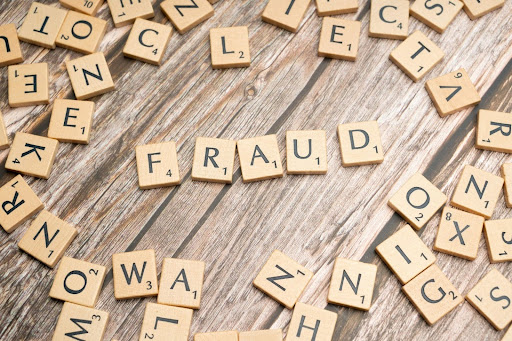
Insurance fraud is a hidden but widespread problem that costs companies and policyholders billions every year. While it may seem like a distant or abstract issue, real-life cases reveal how complex and surprising these investigations can be. From staged accidents to false claims, insurance fraud investigations uncover stories that are not only shocking but also deeply insightful about human behavior and deception.
What Is Insurance Fraud?
Insurance fraud occurs when individuals deliberately deceive insurance companies to receive financial benefits they are not entitled to. This can include exaggerating claims, staging incidents, or even fabricating entire events. Investigators work to verify the authenticity of claims, often uncovering inconsistencies that lead to deeper inquiries.
Real cases show that fraud can range from small exaggerations to highly organized schemes. These stories provide a closer look at how such deception unfolds and how it is eventually exposed.
The Case of the Staged Accident
One common type of insurance fraud involves staged car accidents. In several real-life cases, groups have intentionally caused collisions to claim compensation for injuries and vehicle damage. Investigators often become suspicious when patterns emerge, such as repeated claims involving the same individuals or similar circumstances.
In one investigation, surveillance footage and witness statements revealed that the accident had been carefully planned. The vehicles involved showed damage inconsistent with the reported incident, leading investigators to uncover a coordinated fraud ring. This case highlighted how attention to detail and evidence analysis play a crucial role in exposing deception.
The False Theft Claim
Another notable example involves individuals reporting stolen property that was never actually taken. In one real case, a claimant reported an expensive piece of jewelry as stolen during a supposed burglary. However, investigators noticed discrepancies in the timeline and lack of forced entry.
Further investigation revealed that the item had been sold before the claim was made. Financial records and interviews exposed the truth, leading to legal consequences for the claimant. This story demonstrates how careful examination of evidence and background checks can uncover even well-planned fraud attempts.
Arson for Insurance Money
Some of the most serious cases involve property damage caused intentionally to claim insurance money. Arson cases are particularly complex and dangerous. In one real investigation, a homeowner filed a claim after a fire destroyed their property. Initially, the fire appeared accidental, but investigators found traces of accelerants at the scene.
Further inquiry revealed financial difficulties that provided a motive for the crime. Through forensic analysis and interviews, the investigators concluded that the fire had been deliberately set. This case underscores the importance of scientific methods in identifying fraud and preventing misuse of insurance systems.
How Investigators Detect Fraud
Insurance investigators rely on a combination of observation, technology, and analytical skills. They examine documents, analyze patterns, and conduct interviews to verify claims. Modern tools such as data analysis and surveillance help identify suspicious activities more efficiently.
Real stories show that even small inconsistencies can lead to major discoveries. A slight mismatch in dates, unusual behavior, or conflicting statements can trigger deeper investigations that ultimately reveal the truth.
Lessons from Real Cases
These real-life stories highlight the risks and consequences of insurance fraud. While some individuals attempt to exploit the system for quick financial gain, investigations often uncover the truth through careful and persistent effort. The legal consequences, including fines and imprisonment, serve as a strong deterrent.
Moreover, these cases emphasize the importance of honesty and integrity. Insurance systems are designed to provide support during genuine loss, and fraud undermines that purpose for everyone involved.
Conclusion
Real stories from insurance fraud investigations reveal a world of deception, strategy, and eventual justice. From staged accidents to deliberate property damage, each case demonstrates how investigators piece together evidence to uncover the truth. These stories not only highlight the complexity of fraud but also reinforce the importance of accountability and ethical behavior in maintaining trust within the insurance system.